
What is crisis communication and why is it important?
25 May 2025

In the early 2020s, Indian markets often felt like a sprint fueled by speculative exuberance. But as we navigate the first quarter of 2026, the "growth at all costs" mantra has been definitively supplanted by "growth with governance".
For a brand like Bridgers, advising companies on strategy, the message is clear: Investor Relations (IR) is no longer just a "long-term game"—it is an active insurance policy against 2026 market volatility and narrative loss.
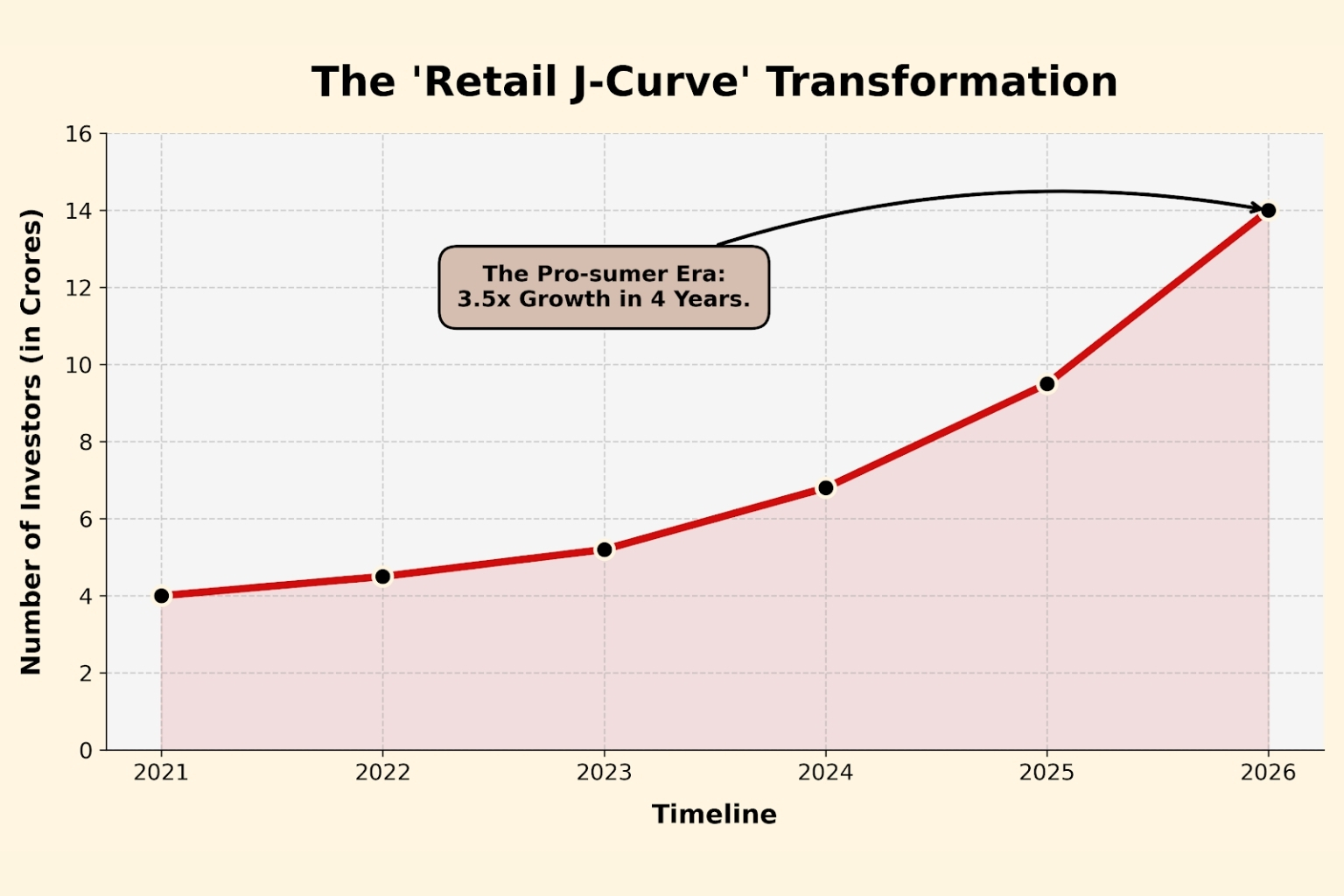
The Indian retail investor has undergone a metamorphosis. We have moved past the fickle, panic-prone traders of the past into the era of the "Pro-sumer"—investors who produce market data and narratives as much as they consume them.
The 14-Crore Milestone: Mutual fund investors have surged from 4 crore in 2021 to 14 crore by 2025.
The SIP Anchor: With monthly SIP inflows hitting ₹40,000 crore, domestic liquidity now acts as a structural shock absorber against global geopolitical "tariff tantrums".
The Quality Filter: Interestingly, even retail capital is fleeing to quality, preferring large-cap stability over small-cap correction.
The Value Add: If you aren't talking to this "pro-sumer" base through consistent digital channels, they will create their own narrative about your company on social forums, often bypassing traditional advisors.
The Securities and Exchange Board of India (SEBI) has transitioned from a passive observer to an ex-ante disciplinarian. The January 2026 amendments aren't just paperwork; they are designed to eliminate "asymmetric information".
Forensic Sunlight: Companies must now disclose the initiation of a forensic audit immediately, removing management's ability to hide internal investigations until they hit a crisis point.
The 20x Underwriting Rule: New "Liquid Net Worth" standards cap a merchant banker’s underwriting at 20 times their actual accessible capital, forcing a "flight to quality" when choosing financial partners.
Cumulative Materiality: The "salami slicing" of risks—where companies hide 50 small lawsuits instead of one big one—is over. You must now disclose the cumulative impact of similar legal disputes.
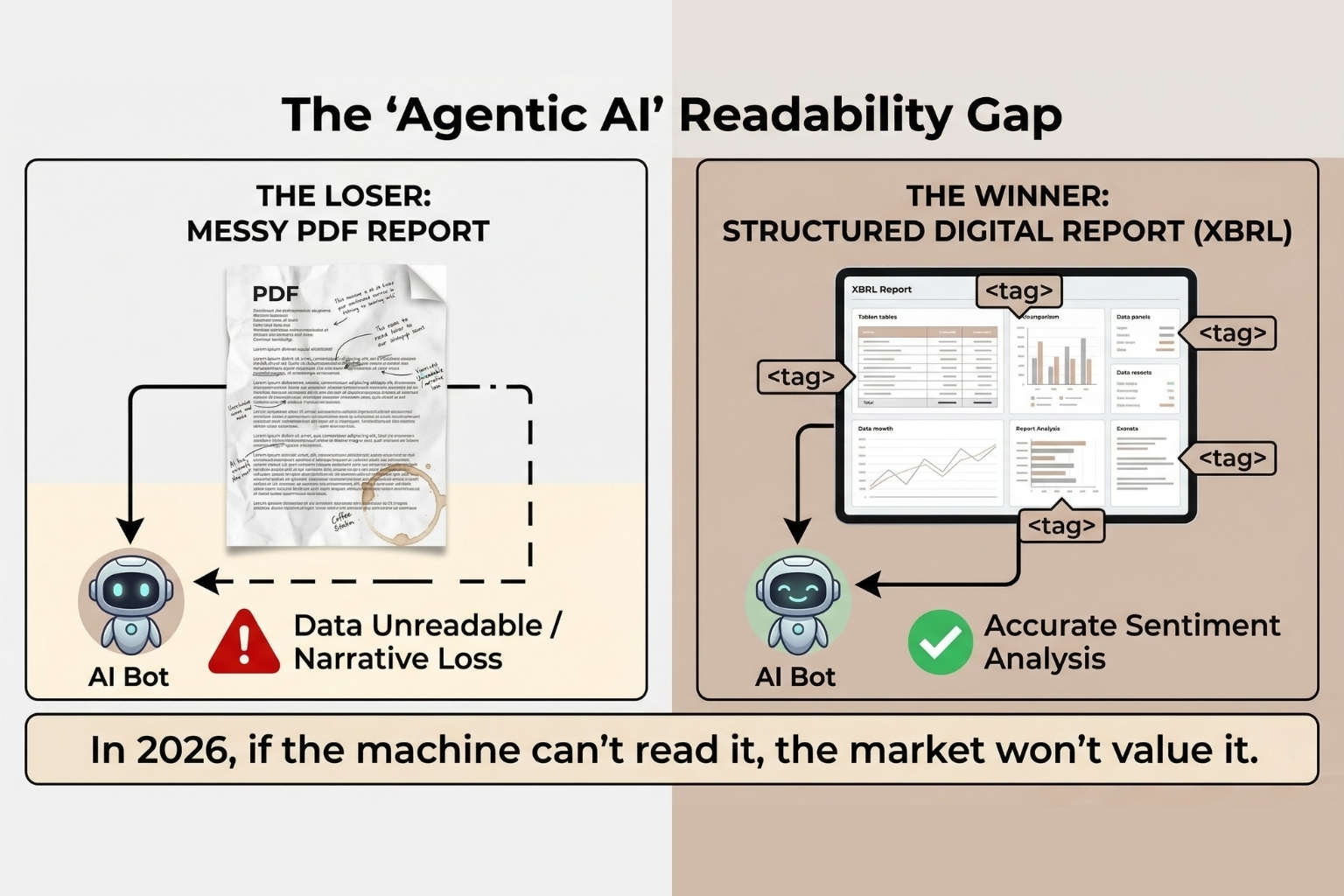
Perhaps the most significant development in 2026 is that your primary investor might not be a human. Agentic AI systems now autonomously scrape reports and filings to build investment theses.
Machine Readability is Reputation: If your IR portal only offers messy PDFs, you risk "Narrative Loss". AI agents will fill the data gaps with third-party rumors, potentially distorting your "ground truth".
ESG as a Financial Metric: Under the BRSR Core mandate, the Top 500 companies now require "Reasonable Assurance" (audit-level confidence) for ESG data. In 2026, an error in sustainability reporting is a regulatory failure, not a PR mishap.
To move beyond generic IR, the Bridgers approach suggests these three high-impact strategies:
The "long-term game" of IR in 2026 is won through consistency and auditability. Those who treat these shifts as a compliance burden will see their valuations depressed by the "governance discount". Those who embrace them as a strategic shield will command the premium that defines market leadership today.
Most Popular Blogs
Newsletter
Categories
About the author
Anubhav Singh: Founder & Managing Director, Bridgers
Anubhav Singh is the Founder and Managing Director of Bridgers, with over 15 years of experience in media relations and strategic corporate communications. He has worked with leading Indian brands across sectors and holds a degree in Mass Communication & Video Production along with an MBA in Marketing. Under his leadership, Bridgers has grown into one of India’s leading PR agencies, known for transparency, innovation, and quality.
Related Articles


