
What is crisis communication and why is it important?
25 May 2025

In the corporate boardrooms of 2026, the humble "Shareholding Pattern" has graduated. It is no longer just a quarterly compliance filing to be uploaded and forgotten. Today, it is a dynamic, high-stakes reputation scorecard that screams your company’s health to the world.

For years, the market asked, "How much does the promoter own?" In 2026, the market is asking, "Why is the promoter selling?" and "Who is the real beneficial owner?"
The fiscal year 2025-26 will be chronicled as the "Great Rebalancing" of India Inc.. With retail ownership hitting a 22-year high of 18.75% and SEBI deploying AI-driven surveillance to pierce the corporate veil, the data is clearer than ever. But is your story?
Here is how the landscape has shifted—and why your Investor Relations (IR) strategy needs to catch up.
Between Q4 FY25 and Q3 FY26, we witnessed a wave of promoter selling that confused the uninitiated. But a closer look at the data reveals a crucial lesson: The market doesn't punish the sale; it punishes the silence.
Compare the tales of two companies:
The Narrative Failure (Clean Science & Technology): When the promoters reduced their stake by approximately 24% (from ~75% down to ~51%), the stated reason was "personal liquidity and estate planning".
The Market's Verdict: The stock drifted to 52-week lows. Why? Because a 24% exit for "personal reasons" without a clear reinvestment narrative signaled to investors that the promoters believed the sector had peaked.
The Structural Success (Aptus Value Housing): Conversely, when WestBridge Capital sold a massive 16.5% stake, reducing its holding to ~23.87%, the narrative was different. The market understood this was a classic "Private Equity Lifecycle" event—a fund returning capital to its partners.
The Market's Verdict: While there was a temporary supply overhang, the stock stabilized because the business fundamentals weren't in question.
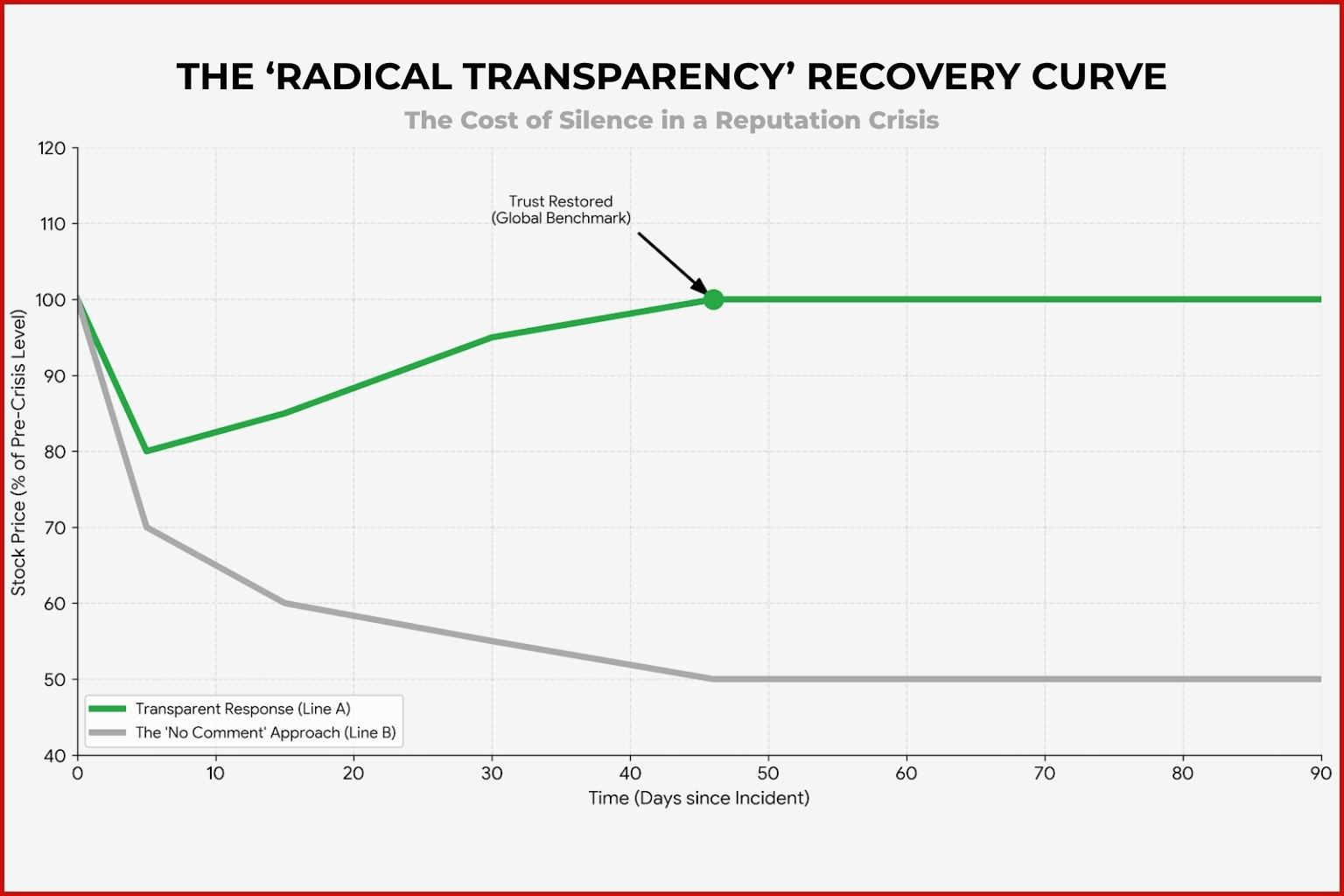
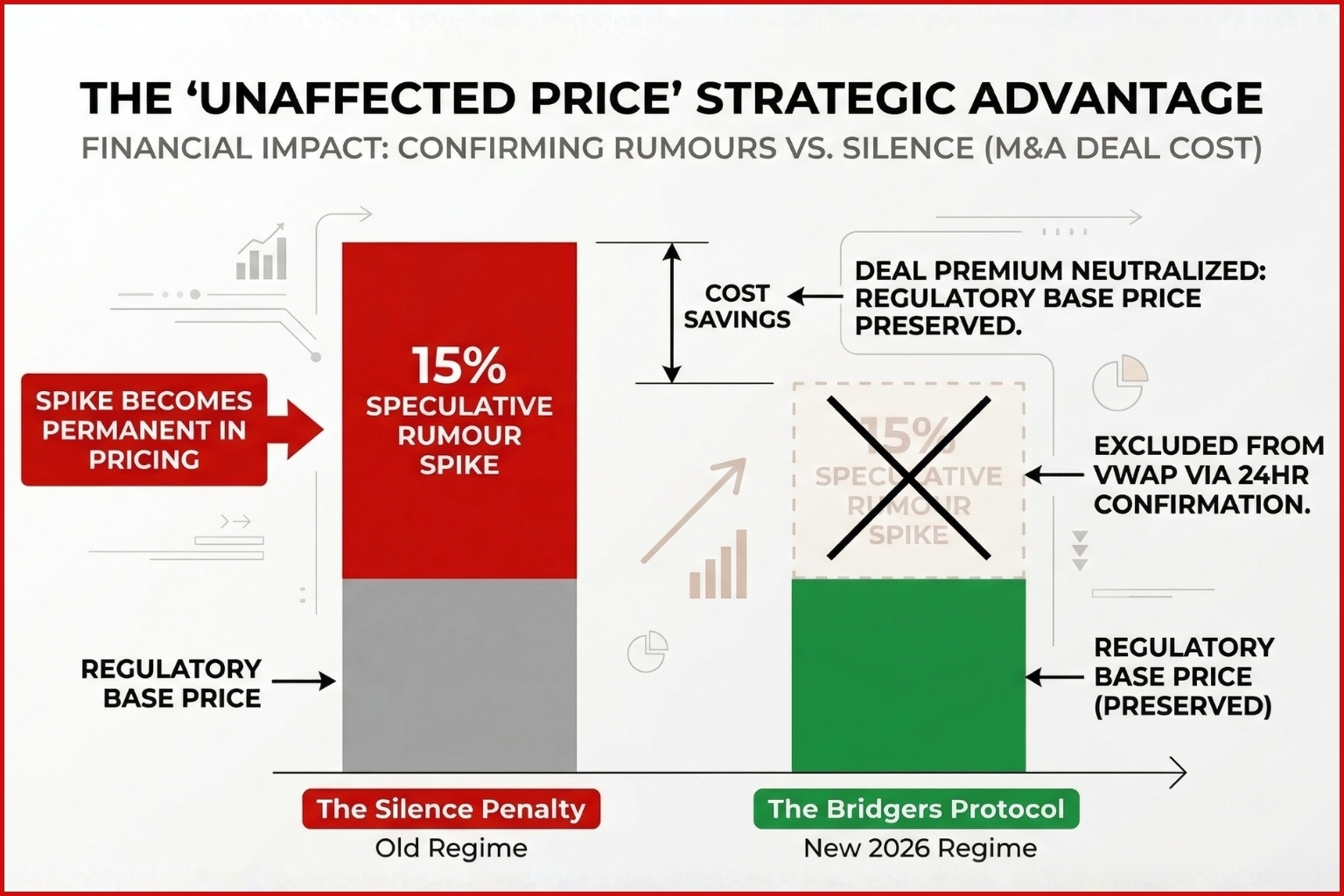
The Bridgers Take: If you are planning a stake sale, you cannot control the price, but you can control the perception. An "unexplained" exit is a red flag; a "strategic" exit is just business.
For decades, the Indian market followed a simple rule: "If FIIs (Foreign Institutional Investors) sell, you sell.".
2025 destroyed that rule. In late 2025, FIIs pulled a record $19 billion out of Indian equities. In the past, this would have triggered a crash. Instead, Domestic Institutional Investors (DIIs) stepped in with a staggering ₹6 lakh crore of buying power, effectively setting a floor on valuations.
This "Great Decoupling" was most visible in the Financial Services sector. While global investors fled due to risk-aversion, domestic mutual funds aggressively accumulated banking stocks, betting on India's credit growth story.
The Strategy Shift: Stop obsessing over foreign roadshows if you are ignoring the fund managers in Mumbai. The "Smart Money" in 2026 is domestic. Your IR strategy must prioritize the DIIs who are now the true "Anchor Investors" of the Indian market.
Transparency is no longer a "nice-to-have"; it is a valuation metric.
In a defining speech on February 7, 2026, SEBI Chairman Shri Tuhin Kanta Pandey introduced the doctrine of "Securities Market through Data Synergy". The regulator has integrated databases with the CBDT and GST Network to flag "shell" companies in real-time.
Even though the FPI disclosure threshold was optically raised to ₹50,000 crore in April 2025, the backend enforcement has tightened. Entities with significant equity but zero GST turnover or no digital footprint are now immediately flagged as suspicious.
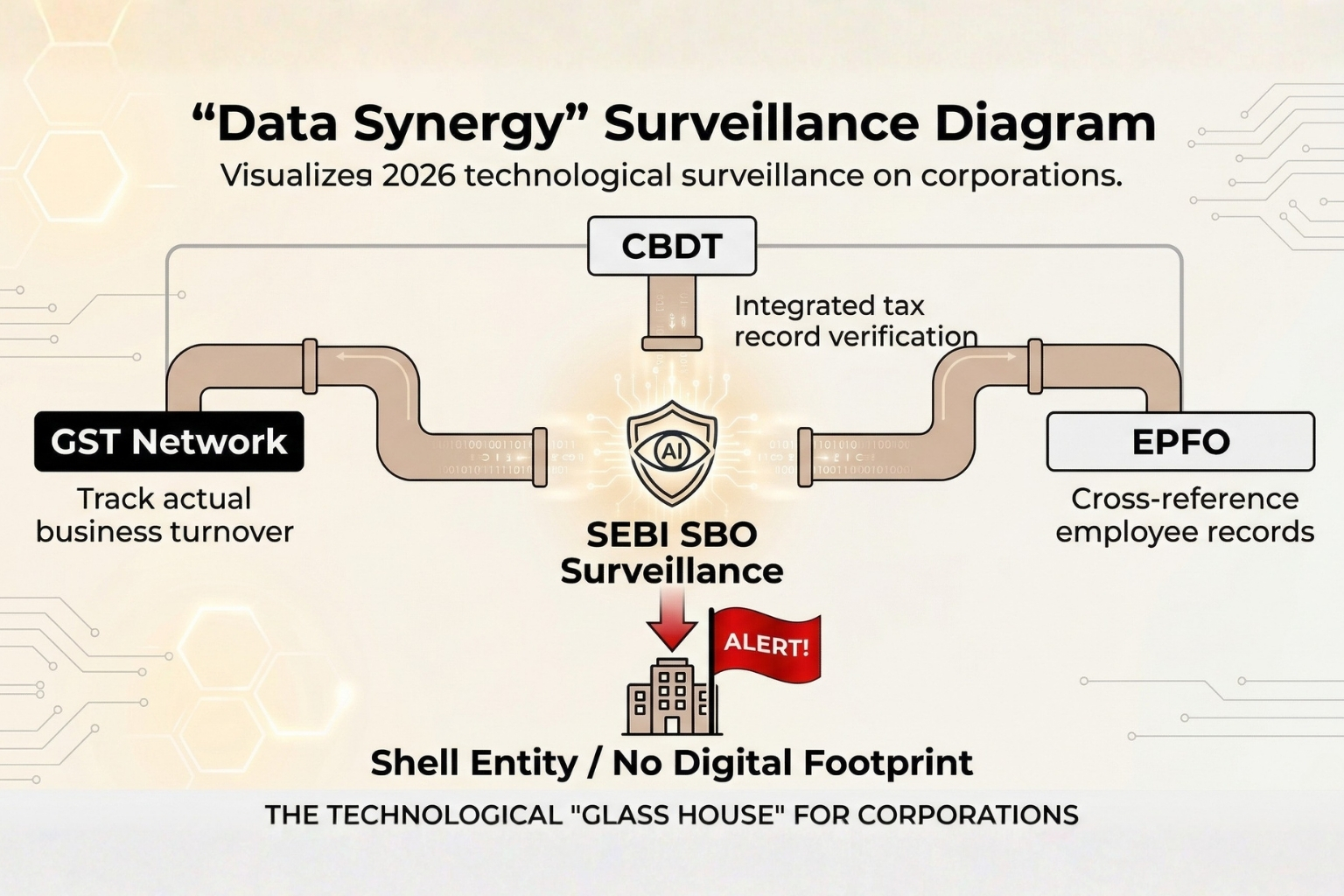
The Governance Premium: Companies with opaque beneficial ownership structures now trade at a discount. Investors are paying a premium for "clean" cap tables where the ultimate beneficiary is clear.
Perhaps the biggest shift is the rise of the retail investor. As of November 2025, the number of unique investor accounts crossed the 24 Crore (240 million) mark.
This isn't just a "retail base"; it is a voting bloc. Organized retail investors are now swinging shareholder votes on executive compensation and slump sales. In an era of social media, a single narrative loss can trigger a retail exodus that institutions cannot stem.
In 2026, analyzing a shareholding pattern isn't just about checking who owns 1%. It’s about understanding the intent of the 1%.
Are your promoters selling? You need a narrative that explains "Why."
Is your FII holding dropping? You need a strategy to court the DIIs.
Is your ownership opaque? You need to clean it up before the AI red flag does it for you.
At Bridgers, we help you align your performance with your perception. Don't let the data speak for itself—because without a strategy, it might say the wrong thing.
Most Popular Blogs
Newsletter
Categories
About the author
Anubhav Singh: Founder & Managing Director, Bridgers
Anubhav Singh is the Founder and Managing Director of Bridgers, with over 15 years of experience in media relations and strategic corporate communications. He has worked with leading Indian brands across sectors and holds a degree in Mass Communication & Video Production along with an MBA in Marketing. Under his leadership, Bridgers has grown into one of India’s leading PR agencies, known for transparency, innovation, and quality.
Related Articles


